
Defending Against Hate Crime Allegations
Hate crimes are among the most serious offenses in the criminal justice system. These offenses involve acts of violence, threats, or property damage committed against individuals or groups based on their actual or perceived race, religion, ethnicity, gender identity, sexual orientation, disability, or other protected characteristics. Because these crimes are motivated by bias or prejudice, they often carry enhanced penalties that can significantly impact a person’s future.
Being charged with a hate crime in Florida is a serious legal matter with severe consequences. A conviction can lead to lengthy imprisonment, substantial fines, and a permanent criminal record—all of which can affect personal relationships, employment opportunities, and civil rights. Additionally, prosecutors aggressively pursue these cases, making it crucial to have a strong legal defense from the outset.

Call (954) 840-8713 for a free, confidential consultation.
However, not all allegations are accurate or justified. Sometimes, a person’s words or actions are misinterpreted, leading to wrongful accusations. Other times, an individual may be falsely accused due to misidentification, unreliable witnesses, or ulterior motives. Successfully defending against these charges requires a detailed examination of the facts, an understanding of state and federal hate crime statutes, and a legal strategy tailored to the case’s unique circumstances.
At Hager & Schwartz, P.A., our defense attorneys bring over 50 years of combined legal experience to every case. As former prosecutors, we know firsthand how the state builds its cases. This knowledge lets us anticipate the prosecution’s arguments and craft a strategic, aggressive defense for our clients. We protect our clients’ rights, challenge the evidence against them, and pursue a fair and just outcome.
If you or a loved one is facing state or federal hate crime charges in Fort Lauderdale, do not wait to seek legal representation. Contact us to schedule a free consultation and take the first step in defending your future.
What Is Considered a Hate Crime in Florida?
Under Florida law, a hate crime is a criminal offense committed against an individual or group because of bias or prejudice toward a legally protected characteristic. Florida Statutes § 775.085 defines a hate crime as any act where evidence shows that the perpetrator’s actions were motivated by animosity based on the victim’s identity. If a person commits a crime—such as assault, vandalism, or making threats—and it is determined that their actions were driven by prejudice, the offense elevates to a more severe charge with enhanced penalties.
Protected Categories Under Florida Law
Florida law recognizes several protected characteristics, meaning that crimes committed with bias against these groups may be classified as hate crimes.
The protected categories include:
- Race
- Color
- Ancestry
- Ethnicity
- Religion
- Sexual orientation
- National origin
- Homeless status
- Advanced age (over 65 years old)
Examples of Hate Crimes
A hate crime can take many forms, ranging from violent attacks to property destruction or intimidation.
Common examples include:
- Physical assault: An attack on someone based on their race, religion, or another protected trait.
- Threats or intimidation: Verbal or written threats intended to instill fear in a targeted individual or group.
- Vandalism: Graffiti, property destruction, or defacing places of worship with hateful symbols or messages.
- Cyber harassment: Online threats or doxxing (exposing private information) aimed at a protected group.
Hate crime allegations are taken extremely seriously by law enforcement and prosecutors. However, proving intent or bias can be complex, and misinterpretations, false accusations, or lack of clear evidence can lead to wrongful charges. If you are facing hate crime charges in Fort Lauderdale, having a skilled defense attorney who understands the nuances of these cases and can protect your rights is essential.
Differences Between State and Federal Hate Crime Laws
Depending on their nature, severity, and specific aggravating factors, hate crimes can be prosecuted at the state or federal levels. While Florida law enhances penalties for hate-motivated crimes, federal law directly criminalizes certain acts and imposes strict penalties, particularly in cases involving bodily harm or threats of violence.
Florida Hate Crime Laws
Under Florida Statutes § 775.085, a hate crime does not create a separate charge but instead enhances the classification and penalties of the underlying offense. If a crime is found to be motivated by bias against a protected characteristic, it is reclassified to a higher degree of charge.
For example, if an individual is charged with a third-degree felony assault, a hate crime enhancement could elevate it to a second-degree felony, increasing potential incarceration time from up to 5 years to up to 15 years in prison.
Federal Hate Crime Laws
Federal hate crime laws, outlined in 18 U.S.C. § 249, impose direct criminal penalties for acts motivated by bias against certain protected groups.
Certain factors elevate a hate crime to federal jurisdiction, including:
- Using a dangerous weapon, firearm, fire, or explosive to commit the offense.
- Crossing state lines, such as online threats or incidents affecting interstate commerce.
These crimes involve actual or attempted bodily injury committed due to the victim’s actual or perceived race, color, religion, national origin, gender, sexual orientation, gender identity, or disability.
Key differences between federal and Florida hate crime laws include:
- Florida law reclassifies an existing offense, leading to enhanced penalties.
- Federal law treats a hate crime as a distinct offense, with specific punishments, including:
- Up to 10 years in prison for most violations.
- Life imprisonment if the crime results in death or involves kidnapping, aggravated sexual assault, or an attempt to kill.
Implications of Federal Prosecution
Being charged with a federal hate crime can have serious legal consequences.
A few of the implications of this level of charge include:
- FBI involvement: The Federal Bureau of Investigation often leads investigations into federal hate crimes, gathering extensive evidence to build a strong case against the accused.
- Federal prosecutors: The U.S. Attorney’s Office handles the prosecution, often bringing more resources and higher conviction rates than state prosecutors.
- Federal court process: Unlike state-level cases, federal hate crime prosecutions occur in U.S. District Courts, where sentencing guidelines tend to be stricter and penalties more severe.
Hate Crime Penalty Enhancements in Florida
Hate crimes carry severe legal consequences in Florida. When a crime is committed with evidence of prejudice against a person’s race, ethnicity, religion, sexual orientation, national origin, disability, or other protected characteristics, the offense is reclassified to a more serious level under Florida Statutes § 775.085. Thus, a charge initially classified as a misdemeanor or felony can be escalated, leading to harsher penalties, longer prison sentences, and a permanent criminal record that can impact future opportunities.
Florida law upgrades the severity of a crime when bias is found to be a motivating factor:
- A second-degree misdemeanor → first-degree misdemeanor (penalty increases from up to 60 days to 1 year in jail)
- A first-degree misdemeanor → third-degree felony (potential prison time jumps from 1 year to 5 years)
- A third-degree felony → second-degree felony (maximum sentence increases from 5 years to 15 years)
- A second-degree felony → first-degree felony (potential sentence increases from 15 years to 30 years)
- A first-degree felony → life felony (possible life imprisonment)
This escalation in charges makes hate crime convictions particularly devastating, as they dramatically increase the risk of incarceration, higher fines, and permanent restrictions on civil rights.
Contact Us for a Free Case Evaluation
If you or a loved one is facing hate crime charges in Fort Lauderdale, securing experienced legal representation as early as possible is critical. The sooner you involve a skilled federal defense attorney, the more opportunities to challenge the prosecution’s case, protect your rights, and explore possible defense strategies. Early legal intervention can make a difference between a strong defense and a devastating conviction.
At Hager & Schwartz, P.A., our team has been practicing criminal defense for decades, representing clients in state and federal courts. As former prosecutors, we know the government’s tactics for building cases against defendants and how to counter them effectively. Our approach is meticulous, strategic, and aggressive, exploring every possible avenue to fight the charges.
A strong defense starts with preparation. That’s why we take the time to:
- Thoroughly analyze evidence and identify weaknesses in the prosecution’s case.
- Interview witnesses and gather supporting testimony.
- Challenge legal procedures that may have violated your rights.
- Maintain open and honest communication, keeping you informed at every step.
Facing a hate crime charge can be overwhelming, but you don’t have to navigate the legal system alone. Let us use our 50+ years of combined experience to help you.
Contact us for a free, confidential consultation.
Contact Us Today
Tell us how we can reach you. Our team is available 24/7.
"*" indicates required fields
However, not all allegations are accurate or justified. Sometimes, a person’s words or actions are misinterpreted, leading to wrongful accusations. Other times, an individual may be falsely accused due to misidentification, unreliable witnesses, or ulterior motives. Successfully defending against these charges requires a detailed examination of the facts, an understanding of state and federal hate crime statutes, and a legal strategy tailored to the case’s unique circumstances.
At Hager & Schwartz, P.A., our defense attorneys bring over 50 years of combined legal experience to every case. As former prosecutors, we know firsthand how the state builds its cases. This knowledge lets us anticipate the prosecution’s arguments and craft a strategic, aggressive defense for our clients. We protect our clients’ rights, challenge the evidence against them, and pursue a fair and just outcome.
If you or a loved one is facing state or federal hate crime charges in Fort Lauderdale, do not wait to seek legal representation. Contact us to schedule a free consultation and take the first step in defending your future.
Under Florida law, a hate crime is a criminal offense committed against an individual or group because of bias or prejudice toward a legally protected characteristic. Florida Statutes § 775.085 defines a hate crime as any act where evidence shows that the perpetrator’s actions were motivated by animosity based on the victim’s identity. If a person commits a crime—such as assault, vandalism, or making threats—and it is determined that their actions were driven by prejudice, the offense elevates to a more severe charge with enhanced penalties.
Florida law recognizes several protected characteristics, meaning that crimes committed with bias against these groups may be classified as hate crimes.
The protected categories include:
- Race
- Color
- Ancestry
- Ethnicity
- Religion
- Sexual orientation
- National origin
- Homeless status
- Advanced age (over 65 years old)
A hate crime can take many forms, ranging from violent attacks to property destruction or intimidation.
Common examples include:
- Physical assault: An attack on someone based on their race, religion, or another protected trait.
- Threats or intimidation: Verbal or written threats intended to instill fear in a targeted individual or group.
- Vandalism: Graffiti, property destruction, or defacing places of worship with hateful symbols or messages.
- Cyber harassment: Online threats or doxxing (exposing private information) aimed at a protected group.
Hate crime allegations are taken extremely seriously by law enforcement and prosecutors. However, proving intent or bias can be complex, and misinterpretations, false accusations, or lack of clear evidence can lead to wrongful charges. If you are facing hate crime charges in Fort Lauderdale, having a skilled defense attorney who understands the nuances of these cases and can protect your rights is essential.
Depending on their nature, severity, and specific aggravating factors, hate crimes can be prosecuted at the state or federal levels. While Florida law enhances penalties for hate-motivated crimes, federal law directly criminalizes certain acts and imposes strict penalties, particularly in cases involving bodily harm or threats of violence.
Under Florida Statutes § 775.085, a hate crime does not create a separate charge but instead enhances the classification and penalties of the underlying offense. If a crime is found to be motivated by bias against a protected characteristic, it is reclassified to a higher degree of charge.
For example, if an individual is charged with a third-degree felony assault, a hate crime enhancement could elevate it to a second-degree felony, increasing potential incarceration time from up to 5 years to up to 15 years in prison.
Federal hate crime laws, outlined in 18 U.S.C. § 249, impose direct criminal penalties for acts motivated by bias against certain protected groups.
Certain factors elevate a hate crime to federal jurisdiction, including:
- Using a dangerous weapon, firearm, fire, or explosive to commit the offense.
- Crossing state lines, such as online threats or incidents affecting interstate commerce.
These crimes involve actual or attempted bodily injury committed due to the victim’s actual or perceived race, color, religion, national origin, gender, sexual orientation, gender identity, or disability.
Key differences between federal and Florida hate crime laws include:
- Florida law reclassifies an existing offense, leading to enhanced penalties.
- Federal law treats a hate crime as a distinct offense, with specific punishments, including:
- Up to 10 years in prison for most violations.
- Life imprisonment if the crime results in death or involves kidnapping, aggravated sexual assault, or an attempt to kill.
Implications of Federal ProsecutionBeing charged with a federal hate crime can have serious legal consequences.
A few of the implications of this level of charge include:
- FBI involvement: The Federal Bureau of Investigation often leads investigations into federal hate crimes, gathering extensive evidence to build a strong case against the accused.
- Federal prosecutors: The U.S. Attorney’s Office handles the prosecution, often bringing more resources and higher conviction rates than state prosecutors.
- Federal court process: Unlike state-level cases, federal hate crime prosecutions occur in U.S. District Courts, where sentencing guidelines tend to be stricter and penalties more severe.
Hate Crime Penalty Enhancements in FloridaHate crimes carry severe legal consequences in Florida. When a crime is committed with evidence of prejudice against a person’s race, ethnicity, religion, sexual orientation, national origin, disability, or other protected characteristics, the offense is reclassified to a more serious level under Florida Statutes § 775.085. Thus, a charge initially classified as a misdemeanor or felony can be escalated, leading to harsher penalties, longer prison sentences, and a permanent criminal record that can impact future opportunities.
Florida law upgrades the severity of a crime when bias is found to be a motivating factor:
- A second-degree misdemeanor → first-degree misdemeanor (penalty increases from up to 60 days to 1 year in jail)
- A first-degree misdemeanor → third-degree felony (potential prison time jumps from 1 year to 5 years)
- A third-degree felony → second-degree felony (maximum sentence increases from 5 years to 15 years)
- A second-degree felony → first-degree felony (potential sentence increases from 15 years to 30 years)
- A first-degree felony → life felony (possible life imprisonment)
This escalation in charges makes hate crime convictions particularly devastating, as they dramatically increase the risk of incarceration, higher fines, and permanent restrictions on civil rights.
Contact Us for a Free Case EvaluationIf you or a loved one is facing hate crime charges in Fort Lauderdale, securing experienced legal representation as early as possible is critical. The sooner you involve a skilled federal defense attorney, the more opportunities to challenge the prosecution’s case, protect your rights, and explore possible defense strategies. Early legal intervention can make a difference between a strong defense and a devastating conviction.
At Hager & Schwartz, P.A., our team has been practicing criminal defense for decades, representing clients in state and federal courts. As former prosecutors, we know the government’s tactics for building cases against defendants and how to counter them effectively. Our approach is meticulous, strategic, and aggressive, exploring every possible avenue to fight the charges.
A strong defense starts with preparation. That’s why we take the time to:
- Thoroughly analyze evidence and identify weaknesses in the prosecution’s case.
- Interview witnesses and gather supporting testimony.
- Challenge legal procedures that may have violated your rights.
- Maintain open and honest communication, keeping you informed at every step.
Facing a hate crime charge can be overwhelming, but you don’t have to navigate the legal system alone. Let us use our 50+ years of combined experience to help you.
Contact us for a free, confidential consultation.
Contact Us Today
HOW OUR ATTORNEYS PREPARE YOUR CASE
We preserve surveillance footage, photographs, dispatch recordings, body-camera video, medical records, phone data, and witness communications before they disappear. We investigate the scene, test the State’s timeline, and identify whether self-defense, accident, credibility problems, or unlawful police conduct changes the case.

TRUSTED WHEN THE STAKES ARE HIGH

They answered every question, kept me informed, and gave me confidence at every stage. The case was dismissed.

Former client
Brett was attentive, direct, and prepared. His strategy went above and beyond, and I could not be more pleased with the result.
Google review
The team treated my family with respect and acted quickly. We always knew what was happening next.
Miami client
THE TEAM WHO WILL FIGHT FOR YOU
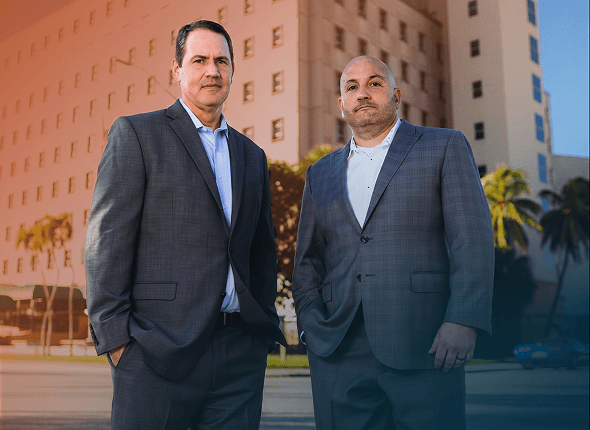
Brett M. Schwartz and John S. Hager bring more than 50 years of combined experience to state and federal criminal cases. You work directly with an attorney who knows your file and is prepared to answer when the situation changes."*" indicates required fields
